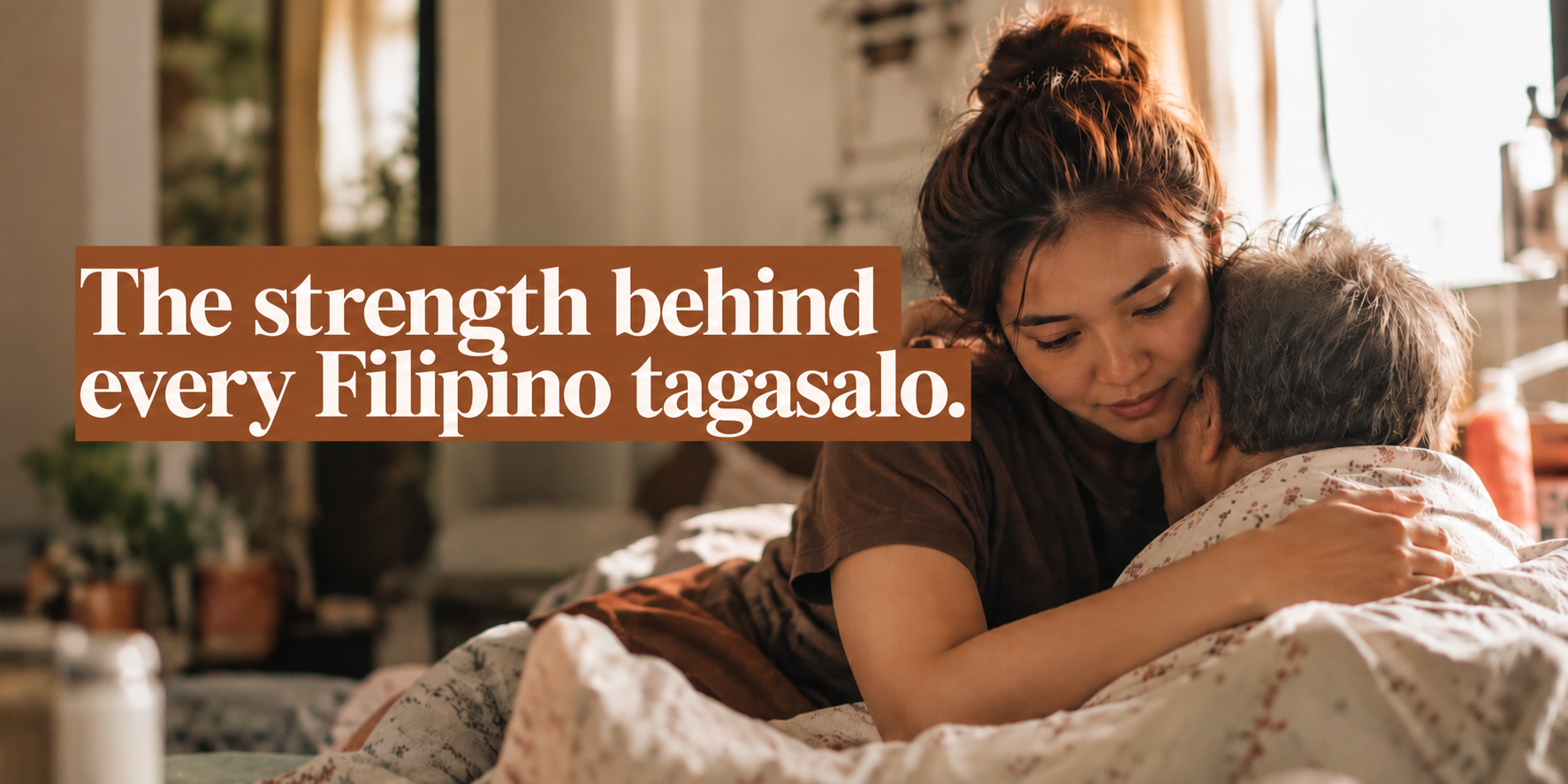
The Strength Behind Every Filipino Family: Why It’s Time We Support Our “Tagasalo”
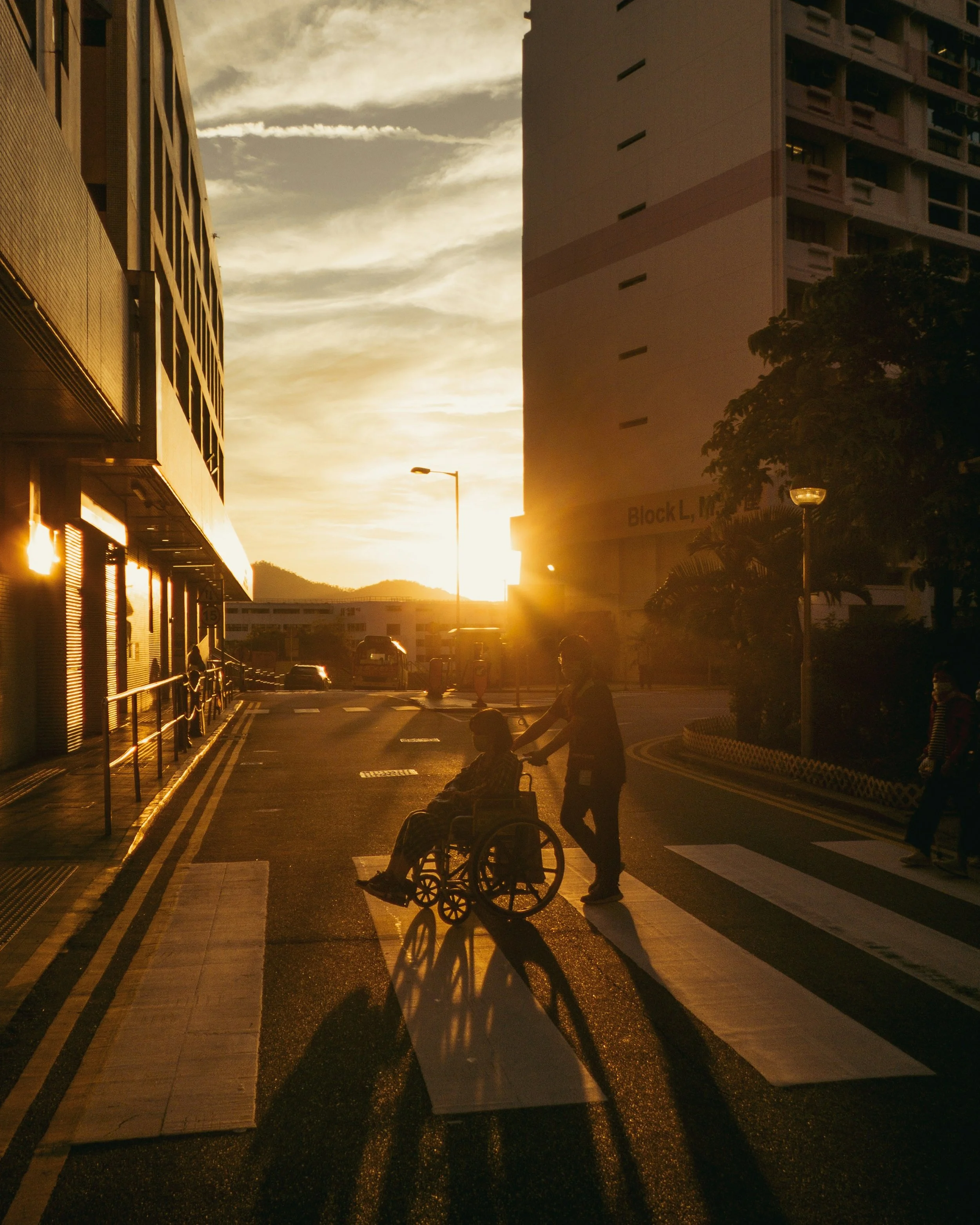
The Quiet Revolution: Southeast Asia Is Getting Older. Who Will Care for Us?
The Quiet Revolution: Southeast Asia Is Getting Older. Who Will Care for Us?
As families get smaller and populations age, the way we care for our parents—and eventually ourselves—is changing. What does caregiving look like in a region built around family responsibility?
The Philippines already had 9.22 million people aged 60+ in 2020, or 8.5% of the household population, and that share is projected to keep rising.
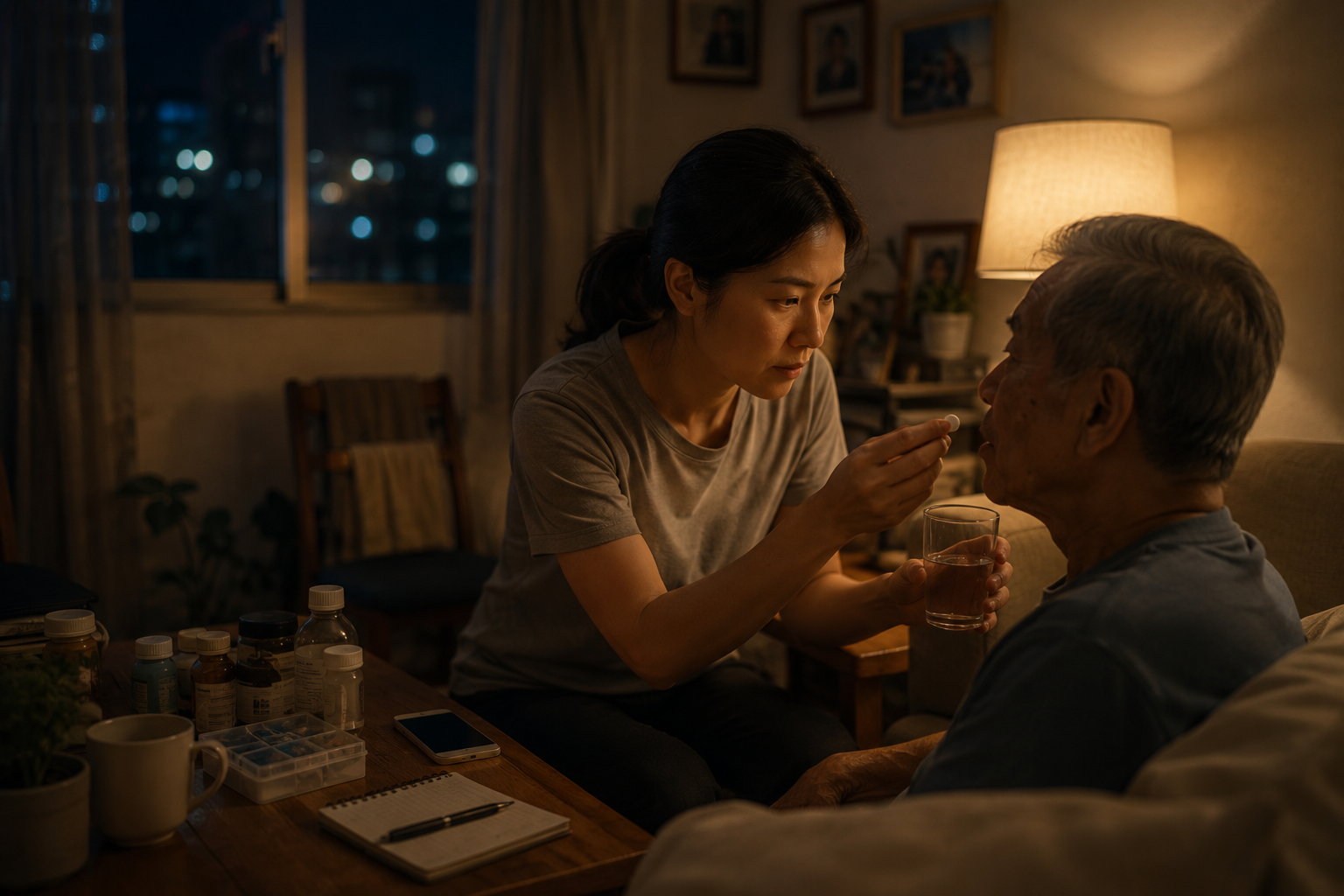
The Caregiver Next Door: Why So Many Caregivers Fly Under the Radar
They aren't in uniforms. They don't have job titles. They may not even think of themselves as caregivers.
They're daughters coordinating a parent's appointments, husbands managing a wife's medications, siblings splitting expenses, and families quietly figuring things out as they go.
It's Okay to Not Be Okay: Why Moon Gang-tae Feels So Familiar
It's Okay to Not Be Okay: Why Moon Gang-tae Feels So Familiar
Moon Gang-tae spends his life looking after everyone else while quietly putting his own needs aside. That's what makes him so relatable—and why his story resonates far beyond the screen.
Behind so many families are people doing the same thing: caring for a parent, partner, sibling or child, often without ever calling themselves a caregiver.
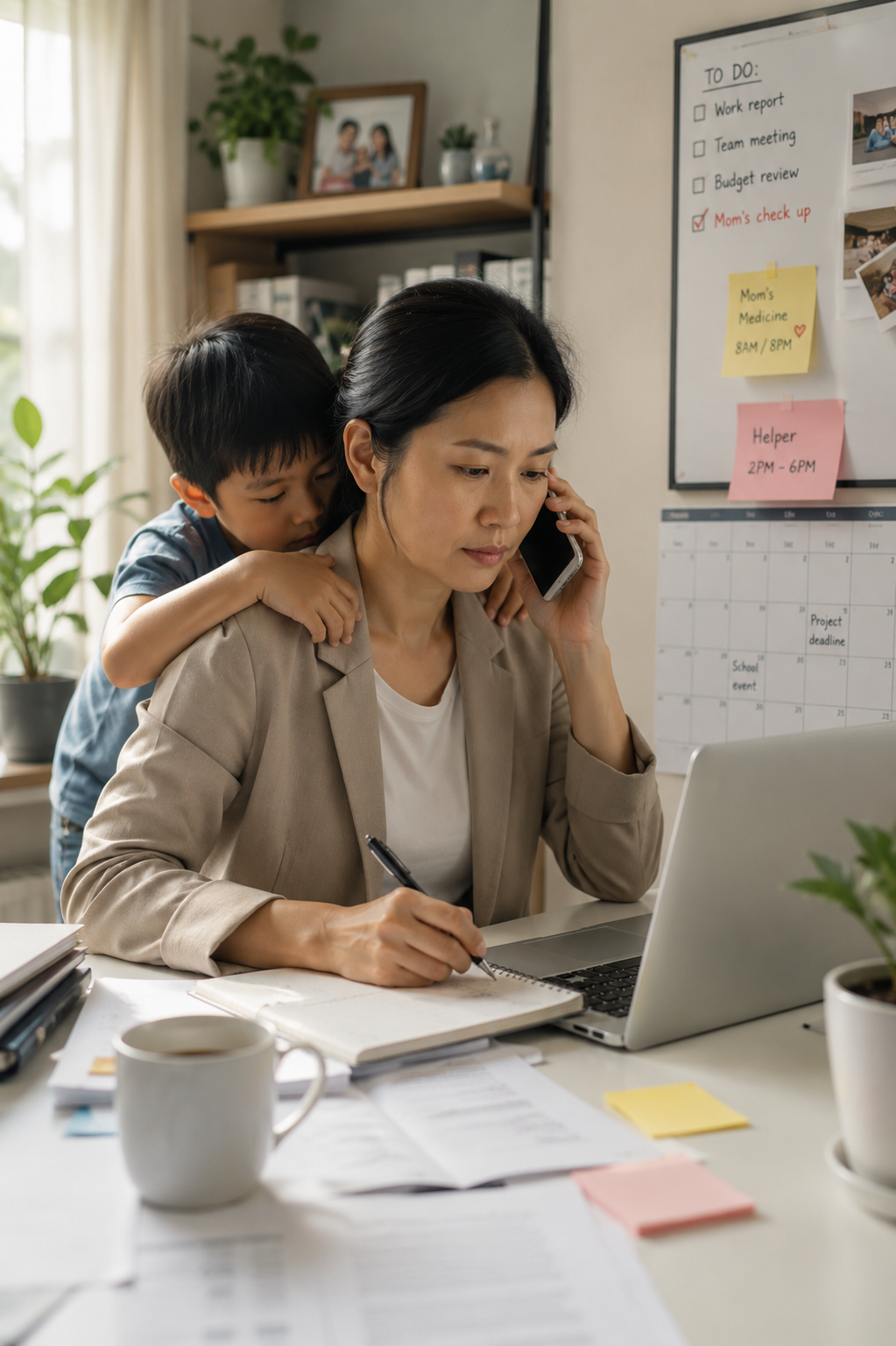
When Your Workday Doesn't End When You Leave the Office
You have a job. A household. Bills. Children. A career you're trying to build.
And then there's Mom's appointment. Dad's medication. A hospital bill. A caregiver to coordinate. Another expense you didn't plan for.
For a growing number of families, caregiving isn't something that happens instead of work. It happens alongside it.